Connecting science to the community
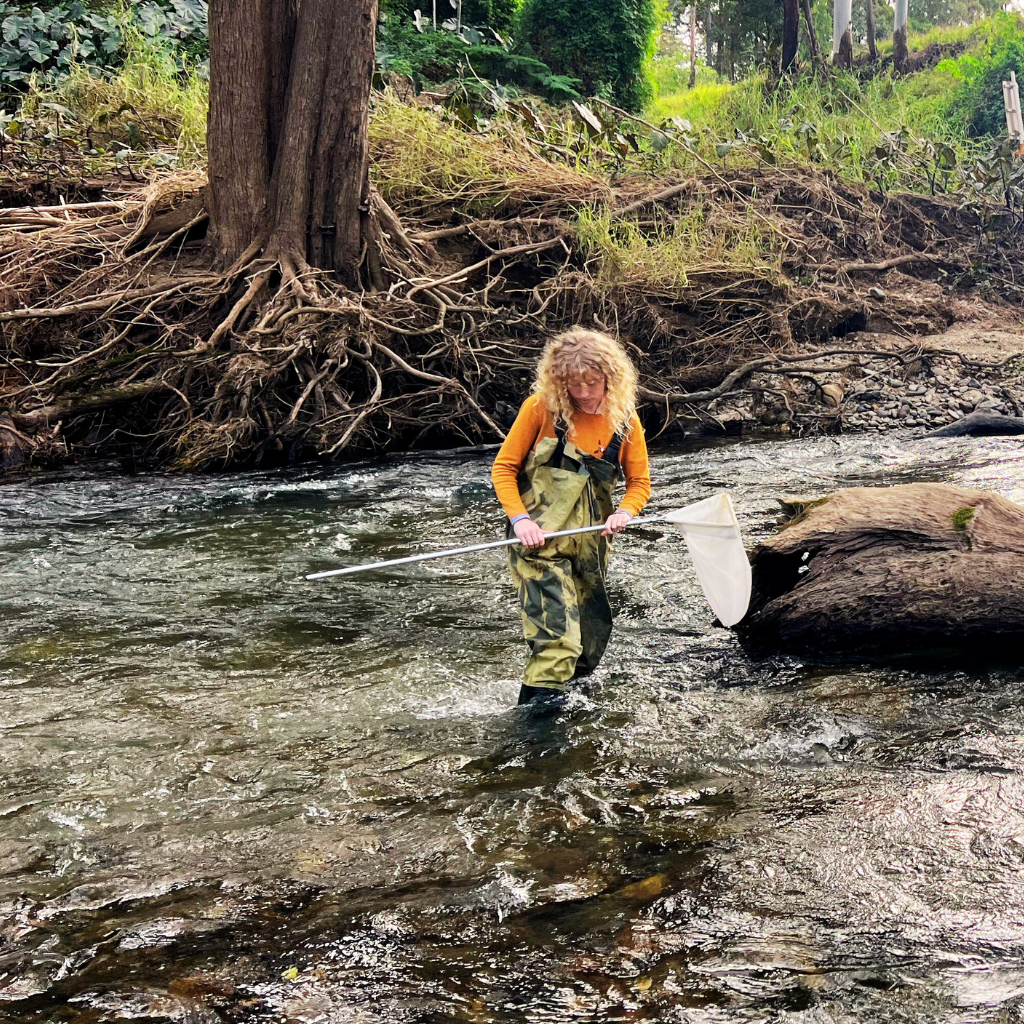
Down by the Bellinger River a group of volunteers gathers with nets, sample trays and testing kits in hand. Among them is Daisy Sully, carefully scanning the water’s surface, while nearby, Trish Reinten coordinates the group’s next steps.
They are both part of OzGREEN’s citizen science programs, contributing to the health and understanding of local waterways. For Daisy, 18, volunteering began with curiosity.
“I’ve always loved science, but volunteering made it feel real,” she says.
Since joining OzGREEN in June 2023, Daisy has immersed herself in hands-on environmental work. “The work is so varied! It involves collecting macroinvertebrates to running interactive stalls at community events like Riveryouthfest.”
Part of Daisy’s role is to turn complex ideas into engaging and accessible conversations for community members. Recently, she was teaching willing passers-by about waterbugs found in the river.
“Collecting data is only the first step,” Daisy explains. “It’s about using the data to help people understand what’s happening in their environment and why it matters.”
Across the river, Trish brings a different but equally powerful perspective.
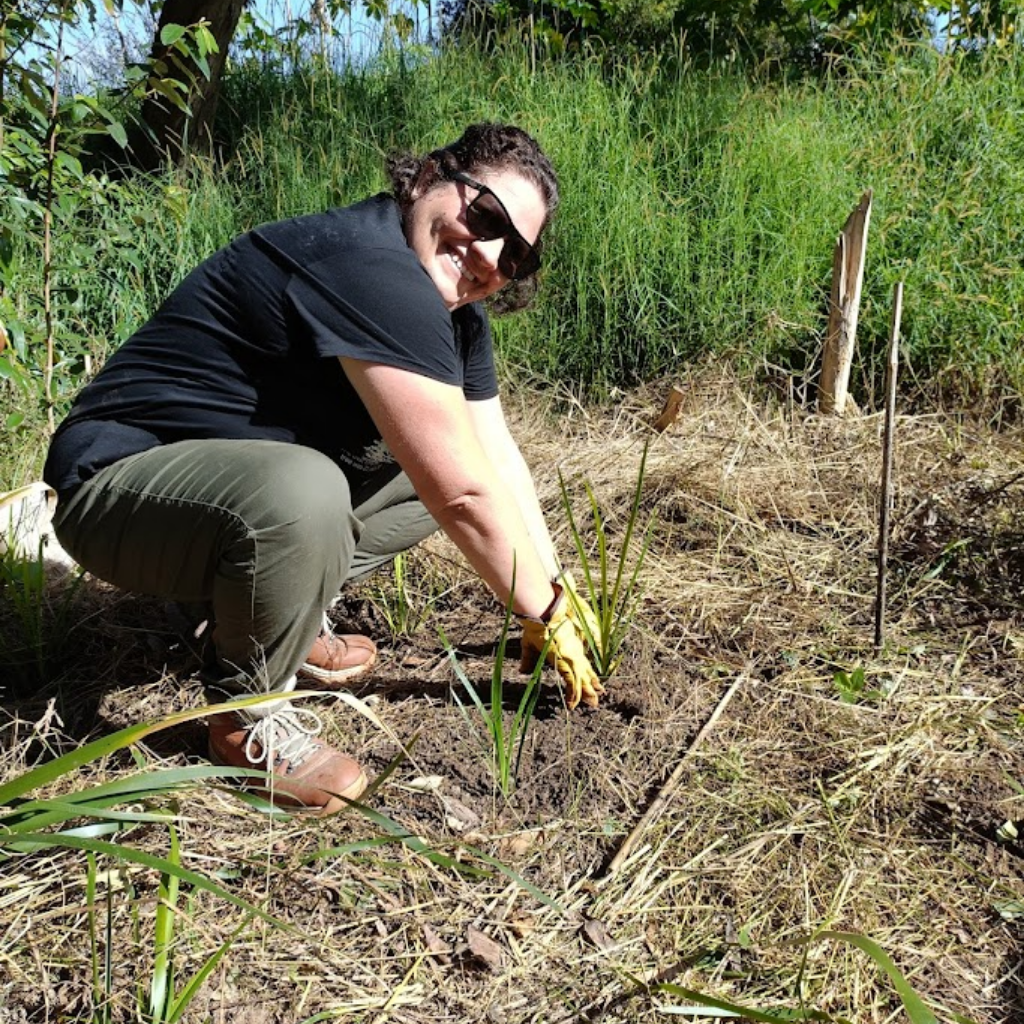
After 17 years in teaching, Trish began volunteering with OzGREEN in early 2025 as part of a career transition into environmental science. What started as a step into the unknown quickly became a source of renewed confidence and purpose.
“I wanted to do something that made a tangible difference,” Trish says. “Volunteering with OzGREEN has given me that opportunity.”
Now a regular presence across programs, Trish contributes to everything from water quality monitoring and macroinvertebrate sampling to coordinating events and supporting volunteers. Her days are varied, often moving between fieldwork and planning, but always focused on strengthening the local community’s connection to the environment.
While Daisy and Trish are in different stages of life, their experiences intersect through the shared purpose they’ve found in OzGREEN.
During a typical session, the group works together to collect and analyse samples, identify waterbugs and record findings that contribute to one of NSW’s largest freshwater citizen science datasets.
For Daisy, these moments bring learning to life.
One standout experience was working alongside water scientists in the field, where classroom concepts like biodiversity and dissolved oxygen became tangible.
“That day changed everything,” she says. “It helped me see a future in science.”
For Trish, similar field experiences have reinforced her decision to change careers.
Contributing to large-scale initiatives like Macro Muster, she found inspiration in the collective effort of volunteers gathering vital ecological data.
“Seeing so many people come together for a shared goal really stayed with me,” she reflects. “It showed me the power of community-led action.”
Beyond the data, both Daisy and Trish play an important role in connecting others to the work. At community events, they help translate science into something meaningful and engaging, encouraging people of all ages to get involved.
Their contributions ripple outward, building awareness of water quality, biodiversity and the importance of caring for local ecosystems.
“The volunteering has helped me gain confidence, I’ve learned leadership skills and it’s given me clarity about what I want to pursue in the future,” says Daisy.
In 2026 Daisy was awarded the University of Melbourne’s Hansen Scholarship to study science, a reflection of the opportunities her experience has opened.
For Trish, the journey has been just as transformative.
“Volunteering alongside my postgrad study in Environmental Science has been phenomenal. It’s made me realise that it’s never too late to start again,” she says.
“Volunteering rebuilt my professional confidence and helped me step onto a completely new path. I’m genuinely excited about my new career!”
Together, their stories highlight the many ways volunteering can shape lives, whether it is opening doors to future careers or creating the confidence to make a change when it can feel intimidating.
Published on 29 June 2026