
Bellingen Riverwatch
Macro Muster 9 Data
What waterbugs did Bellingen Riverwatch citizen scientists find in our rivers and what do they mean?
Written by Nakia Belmer, Department of Climate Change, Energy, the Environment and Water, NSW Government.
What We Did
Bellingen Riverwatch volunteers and partners worked together to sample macroinvertebrates (waterbugs) at ten sites across the Bellinger, Kalang and Nambucca catchments, very unique river systems on the Mid-North Coast of NSW.
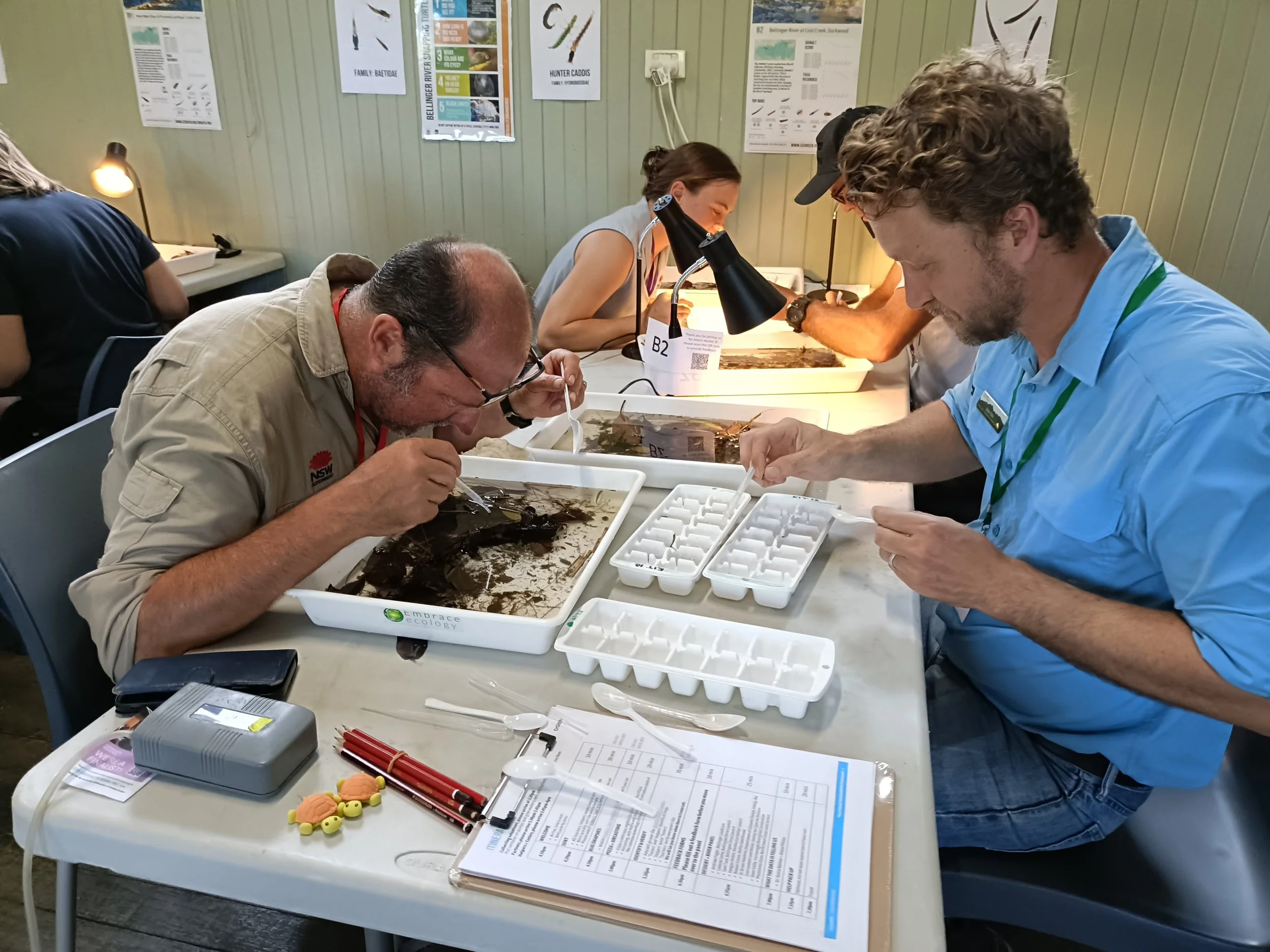
Macro Muster 9 saw Macro Helpers, Macro Helpers-in-training and Macro Teachers-in-training come together, both to conduct an accurate count of waterbugs at ten sites, but also to learn from the Macro teachers, further their knowledge and become familiar with the process for future musters.

What We Found
Our Macro Muster 9 data tells us that these rivers are in good health.
Most of the sites recorded SIGNALT scores in the very healthy range (above 4.9), which suggests good water quality persists, and a very healthy waterbug community occurs at all surveyed sites.

-
The information collected from a Waterbug Blitz sample provides us with good data that can be used to provide a preliminary assessment of waterway health. The primary indicators that we use to assess waterway health using waterbug (macroinvertebrate) data are biodiversity (Biodiversity Score) and pollution sensitivity (SIGNAL Score) of the community.
The Biodiversity score, which is calculated from the number of different individual waterbug taxa collected at this site.
The method for identification of waterbugs through the Waterbug Blitz sampling and application is known as the Agreed Level Taxonomy, or ALT method (https://www.thewaterbug.net/ALT.html).
ALT uses features that are visible to the naked eye to identify macroinvertebrates. ALT identifications result in data sets of mixed taxonomic levels, some at genus or species, and others at higher levels.
SIGNAL is an acronym for Stream Invertebrate Grade Number Average Level and is a scoring system for waterbugs that helps interpret the raw data. It is based on the sensitivity or tolerance of different waterbugs to pollutants and habitat degradation. Each waterbug has its own grade from 1 (very tolerant) to 10 (very sensitive). The average of these individual waterbug grades is calculated to give each waterbug site a SIGNAL score which can infer the water and habitat quality and help to assess the health of a waterway. The calculation of this score can be weighted by the abundance of each waterbug taxa within a sample or can be unweighted, using only the grade of the taxa.
This method applied through the Waterbug Blitz is currently being tested to see if the ALT levels retain enough taxonomic information to be used with a re-calculated SIGNAL score, which is termed SIGNALT, and is the indicator of waterbug community sensitivity communicated in this report.
It is anticipated that the ALT method will provide a quick, simple approach to waterbug identification and analysis that is a practical alternative for citizen scientists who want to assess stream health. Though it should be noted that the application of this method is still being tested. As such the results communicated in this report should be considered a preliminary only and assessed in the context of the monthly water quality results and the ongoing monitoring that Bellingen Riverwatch hope to continue into the future.
To assist understanding of the SIGNALT results the score categories in the image below are provided.
EPT% is the percentage of EPT taxa (Ephemeroptera, Plecoptera and Trichoptera or Mayflies, Stoneflies and Caddisflies) found within each sample.
See sites and results on Nambucca Riverwatch & Bellingen Riverwatch Macro Map
See previous muster sites and results on Bellingen Riverwatch Macro Map
Macro Muster 9 Data Infographic
We have created two infographics to communicate the data from Muster 9. See our library of free resources here.
How does this Muster data compare with other Musters?
Move the range slider line along the top of the graph to show different site comparisons
B2
Cool Creek
See site location on Bellingen Riverwatch & Nambucca Riverwatch Macro Map.
The Bellinger River site B2 has been sampled during eight of the nine macro musters. The site has recorded SIGNALT scores in the very healthy range across all of the seven previous musters
Results for this site are are consistently recorded as good and very good.
-
The site recorded SIGNALT of 6.36, which indicates a very healthy waterbug community was persistent at the site during spring 2025 collection.
-
The site recorded a very high abundance of known sensitive taxa from the orders Ephemeroptera and Trichoptera which resulted in an EPT richness of 8. Known sensitive taxa such as Leptophlebiidae, Helicophidae and Calocidae, Hydrobiosidae, Helicopsychidae and Leptoceridae (SIGNALT grades 9, 10, 8, 8 and 9 respectively) were collected which suggests that good water quality and habitats continue to persist at the site. The site also recorded the dragonfly family Telephlebiidae which has an individual SIGNALT grade of 10.
-
8 EPT taxa
7 caddisfly taxa
1 mayfly taxa
1 sensitive dragonfly taxa
-
Order: Odonata, Family: Telephlebiidae
Order: Ephemeroptera, Family: Leptophlebiidae
Order: Trichoptera: Family Helicophidae and Calocidae, Hydrobiosidae and Helicopsychidae

Image by Shane Ruming, DPE
Order: Odonata
Family: Telephlebiidae
B3.1
Tysons Bridge
See site location on Bellingen Riverwatch & Nambucca Riverwatch Macro Map.
Results for the Bellinger River site B3.1 are consistently recorded as good and very good.
The Bellinger River site B3.1 has been sampled during all nine macro musters and consistently records a SIGNALT score in the healthy and very healthy range.
-
The site has recorded taxa richness between 9 and 33 taxa. During muster nine, the site recorded a taxa richness of 14, slightly lower than autumn 2025, and a SIGNALT score of 6.43, which indicates a very healthy waterbug community continues to occur at the site.
-
The site recorded a high abundance of sensitive taxa from the orders Ephemeroptera and Trichoptera, resulting in an EPT Taxa of 7. EPT taxa collected included the mayfly family Leptophlebiidae and the caddisfly families, Helicophidae, Calocidae and Hydrobiosidae (SIGNALT grades 9, 10 and 8 respectively). The site also recorded the dragonfly family Telephlebiidae which is among the most sensitive of macroinvertebrates, indicated by having a SIGNALT grade of 10.
-
7 EPT taxa
6 caddisfly taxa
1 mayfly taxa
1 sensitive dragonfly taxa
-
Order: Ephemeroptera, Family: Leptophlebiidae
Order: Trichoptera, Family: Helicophidae and Calocidae, Hydrobiosidae and Leptoceridae

Order: Mayfly
Family: Leptophlebiidae
Image by Shane Ruming, DPE
Hobarts Bridge
B4
See site location on Bellingen Riverwatch & Nambucca Riverwatch Macro Map.
The Bellinger River site B4 has been sampled during six of the nine macro musters and has recorded a SIGNALT score between the healthy and very healthy range during five previous sample occasions and once in the healthy range.
Results for the Bellinger River site B4 are consistently recorded as good and very good.
-
Taxa richness at site B4 has ranged between 17 and 31 taxa. Results from muster nine recorded a diverse Waterbug community with a taxa richness of 19 and a SIGNALT score of 5.74 in the very healthy range, which indicates a very healthy waterbug community was persistent at the site during muster nine.
-
Samples collected from the site recorded a high abundance of sensitive taxa from orders Ephemeroptera and Trichoptera and EPT richness was recorded as 8. EPT taxa collected included the mayfly family Leptophlebiidae and genus Mirawara (SIGNALT grade 9 and 7) and the caddisfly families, Helicophidae and Calocidae and Hydrobiosidae (SIGNALT grades 9, 10 and 8 respectively). The site also recorded the dragonfly taxa Telephlebiidae which has an individual SIGNALT grade of 10.
-
8 EPT taxa
5 caddisfly taxa
3 mayfly taxa
1 sensitive dragonfly taxa
-
Order: Ephemeroptera, Family: Leptophlebiidae and genus: Mirawara
Order: Odonata, Family: Telephlebiidae
Order: Trichoptera, Family: Helicophidae and Calocidae and Hydrobiosidae
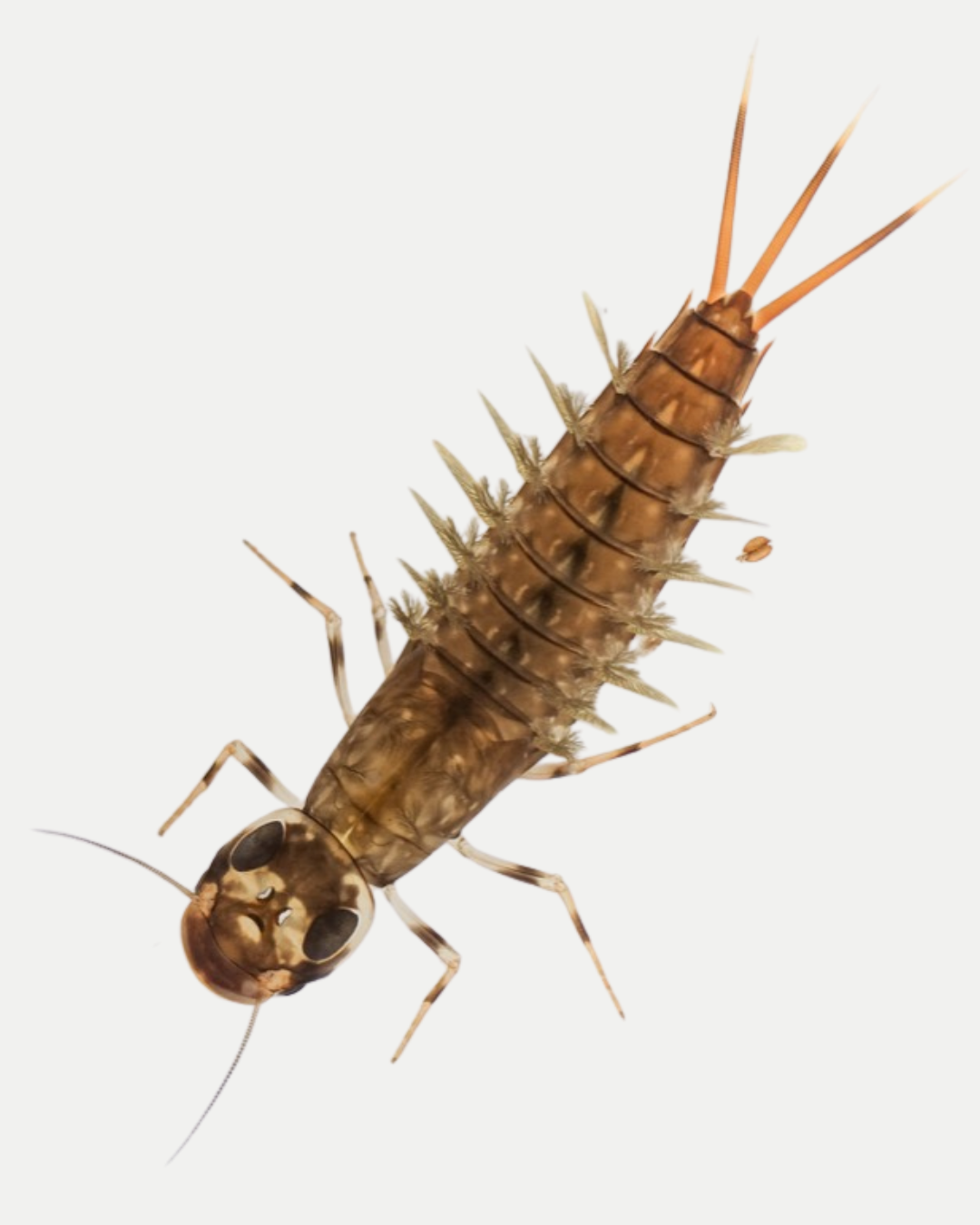
Order: Ephemeroptera Family: Leptophlebiidae Genus: Mirawara
Image by Shane Ruming, DPE
NN1
Tuckers Nob
See site location on Bellingen Riverwatch & Nambucca Riverwatch Macro Map.
Taxa richness at site NN1 has been recorded between 18 and 26 taxa across all eight previous macro musters and greater than 20 taxa on six previous occasions.
Site NN1 recorded a diverse waterbug community with a Taxa Richness of 20 and a SIGNALT score of 5.20
-
The SIGNALT score for this round was 5.20 which is a healthy SIGNALT score
-
The site recorded four known sensitive taxa, with two Ephemeroptera Mayflies and two Trichoptera caddisflies (EPT taxa 4), with a high abundance of Leptophlebiidae mayflies, with SIGNALT grade of 9.
-
4 EPT taxa
2 caddisfly taxa
2 mayfly taxa
1 damselfly taxa
-
Order: Trichoptera, Family: Leptoceridae
Order: Ephemeroptera, Family: Leptophlebiidae
Order: Mayfly
Family: Leptophlebiidae
Image by Shane Ruming, DPE
R1
Rosewood
River
See site location on Bellingen Riverwatch & Nambucca Riverwatch Macro Map.
Results for the Rosewood River site R1 are consistently recorded as good and very good
Over the previous eight musters taxa richness was recorded between 9 and 33 taxa, though more often than not in the high teens.
-
Muster nine results revealed a taxa richness of 20, in the higher range of taxa collected from previous musters and a SIGNALT score of 5.90 in the very healthy range
-
The site recorded a very high abundance of known sensitive taxa from the orders Ephemeroptera and Trichoptera which resulted in an EPT richness of 6. Known sensitive taxa such as Leptophlebiidae, Helicophidae and Calocidae and Leptoceridae (SIGNALT grades 9, 10 and 9 respectively) were collected during muster nine, suggesting good water quality and habitats have persisted at this site during all nine musters. The site also recorded dragonfly taxa from the family Telephlebiidae, which has an individual SIGNALT grade of 10.
-
6 EPT taxa
4 caddisfly taxa
2 mayfly taxa
1 sensitive dragonfly taxa
-
Order: Ephemeroptera, Family: Leptophlebiidae
Order: Trichoptera: Helicophidae and Calocidae
Order: Trichoptera: Leptoceridae
Order: Mayfly
Family: Leptophlebiidae
Image by Shane Ruming, DPE
K1
Kalang River
See site location on Bellingen Riverwatch & Nambucca Riverwatch Macro Map.
The site has recorded a SIGNALT score in the healthy and very healthy range on all but one occasion.
The Kalang River site K1 has been sampled during seven macro musters.
-
Macro muster nine results recorded a taxa richness of 23, the highest for all sites in spring 2025 and a SIGNALT score of 5.70 which indicates a very healthy waterbug community was present at the site during muster nine
-
The site recorded five taxa from the sensitive orders of Ephemeroptera and Trichoptera, including both the mayfly family Leptophlebiidae and genus Mirawara (SIGNALT grade 9 and 7) and the caddisfly families Leptoceridae and Hydrobiosidae (SIGNALT grades 9 and 8). The site also recorded the dragonfly taxa Telephlebiidae which has an individual SIGNALT grade of 10.
-
4 EPT taxa
3 caddisfly taxa
2 mayfly taxa
-
Order: Ephemeroptera, Family: Leptophlebiidae and genus: Mirawara
Order: Odonata, Family: Telephlebiidae
Order: Trichoptera: Family Leptoceridae and Hydrobiosidae
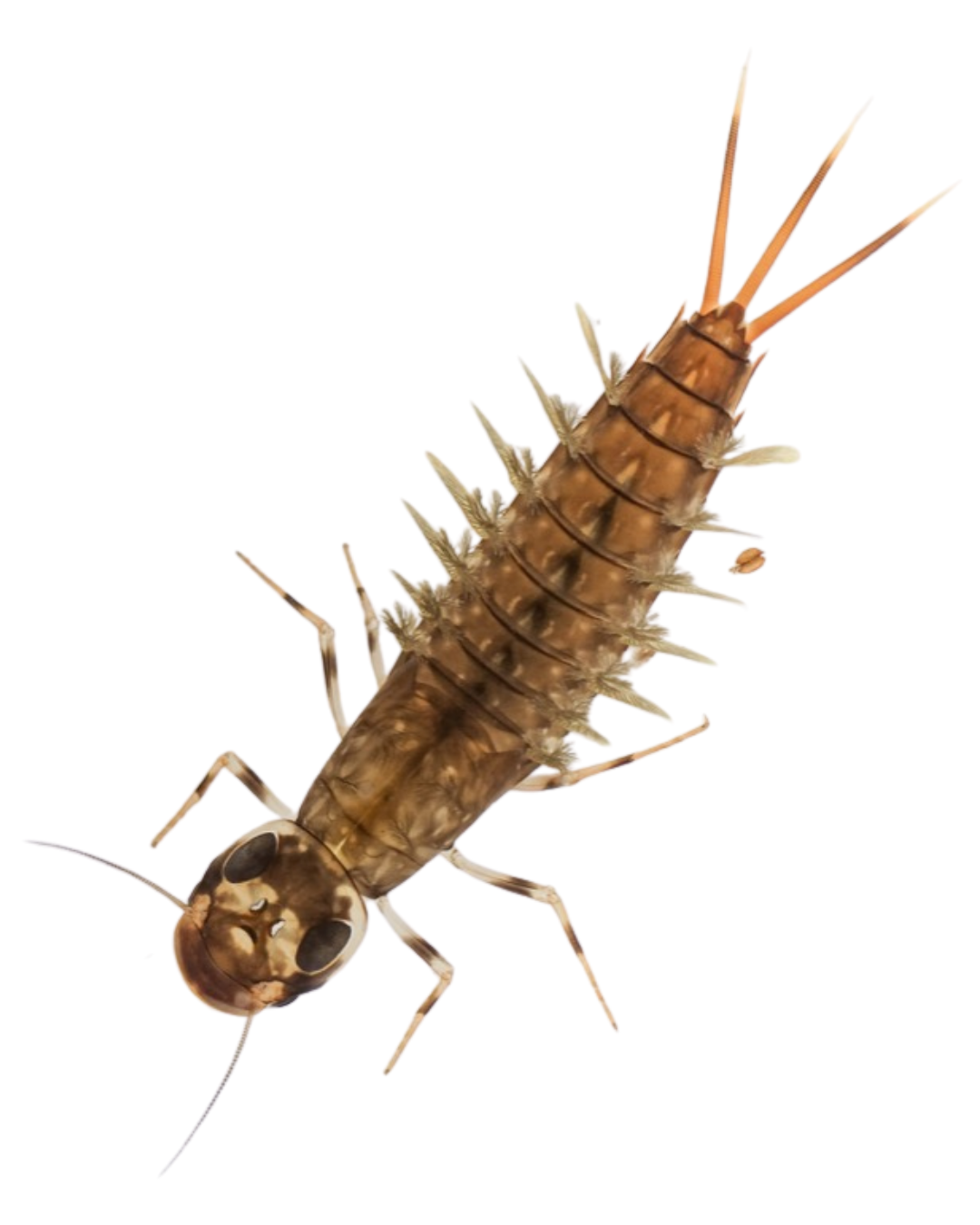
Image by Shane Ruming, DPE
Order: Ephemeroptera, Family: Leptophlebiidae Genus: Mirawara
NV1
Taylors Arm River
See site location on Bellingen Riverwatch & Nambucca Riverwatch Macro Map.
This site at Taylors Arm in the Nambucca Valley was added to the program in Macro Muster 8.
During spring 2025 the site recorded taxa richness of 15 and a SIGNALT score in the very healthy range of 5.93
-
This is the second time this site has been tested as part of the Macro Muster
-
The site recorded five known sensitive taxa (EPT taxa 6) from the caddisfly family Helicophidae and Calocidae the mayfly family Leptophlebiidae and the stonefly family Gripopterygidae. These individuals have SIGNALT grades of 10, 9 and 9 respectively. Results suggest good water quality has allowed for a sensitive macroinvertebrate community to persist at the site.
-
5 EPT taxa
2 caddisfly taxa
2 mayfly taxa
1 stonefly taxa
-
Order: Trichoptera, Family: Helicophidae and Calocidae
Order: Ephemeroptera, Family: Leptophlebiidae
Order: Plecoptera, Family: Gripopterygidae
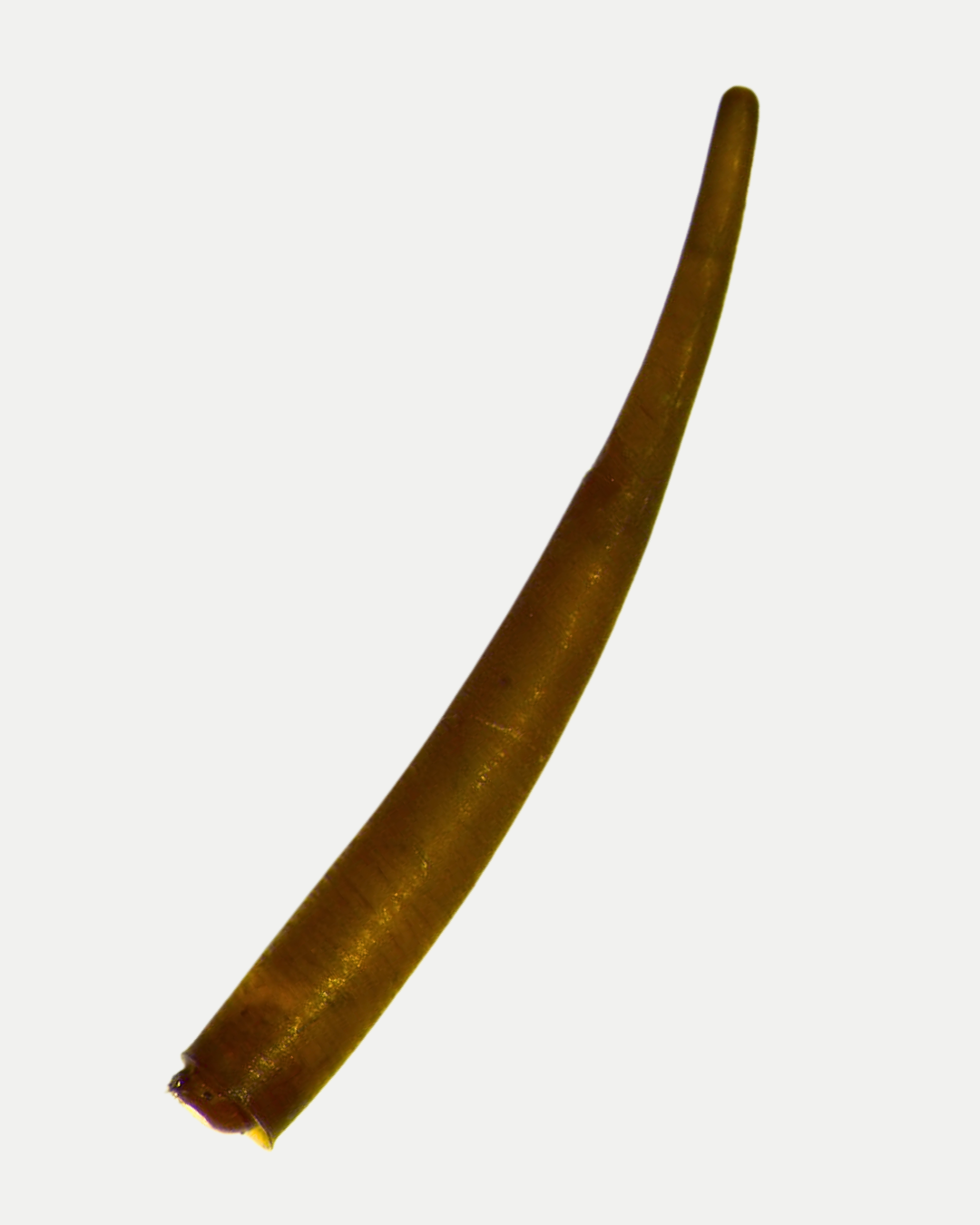
Order: Caddisfly
Family: Helicophidae and Calocidae
Image by Shane Ruming, DPE
NV2
South Creek
See site location on Bellingen Riverwatch & Nambucca Riverwatch Macro Map.
This site at South Creek, Bowraville in the Nambucca Valley was added to the program in Macro Muster 8.
Sampling during spring 2025 revealed a taxa richness of 23 and a SIGNALT score of 5.48 in the very healthy range.
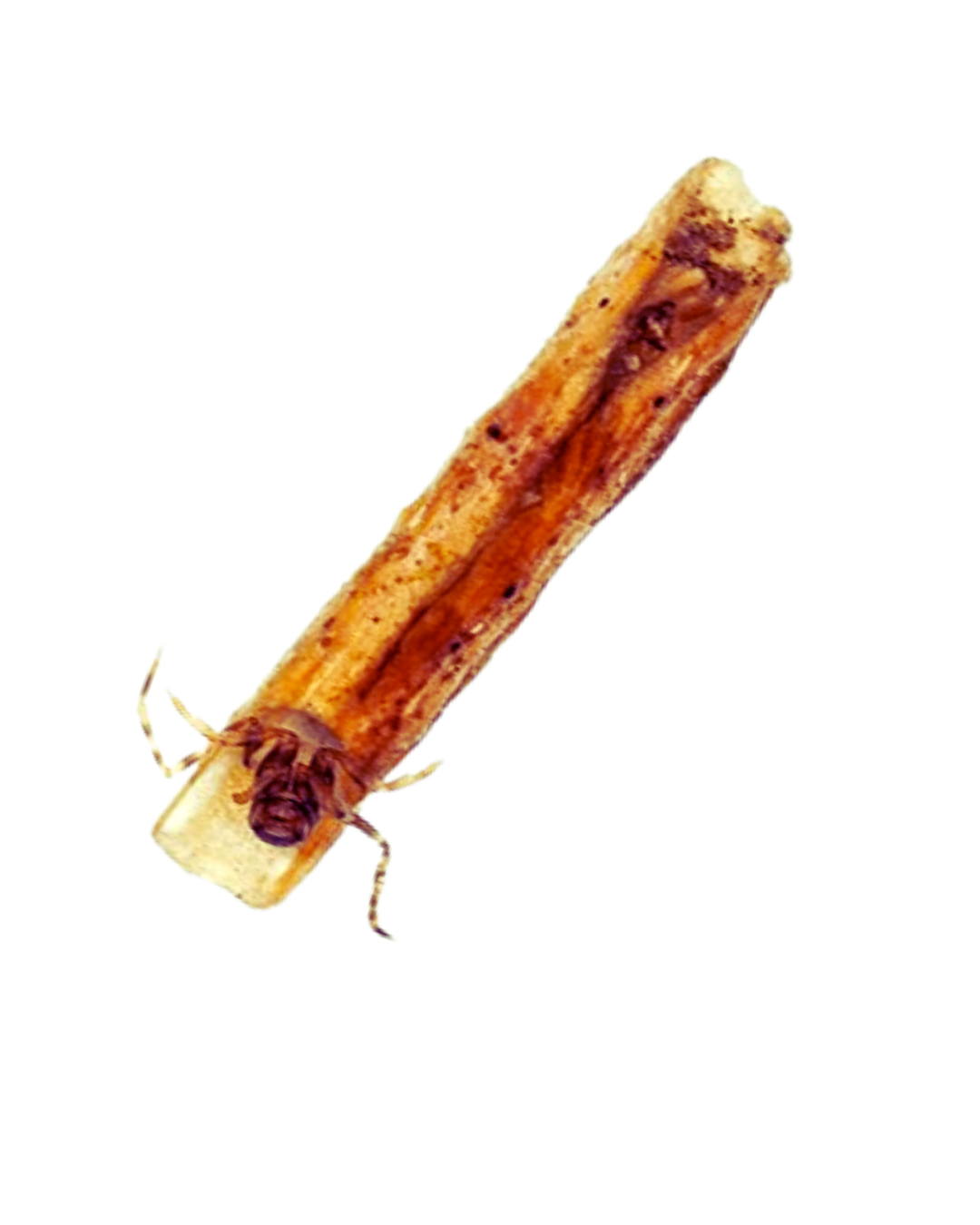
-
Site NV2 during autumn 2025 recorded a taxa richness of 14 and a SIGNALT score in the very healthy range recorded as 5.14. Sampling during spring 2025 revealed a taxa richness of 23 and a SIGNALT score of 5.48 in the very healthy range.
-
The site recorded four known sensitive taxa (EPT taxa 5) from the caddisfly families Leptoceridae, Hydrobiosidae and Helicophidae and Calocidae and the mayfly families Leptophlebiidae and Baetidae. These individuals have SIGNALT grades between 6 and 10. Results suggest good water quality has persisted at the site and has supported a sensitive macroinvertebrate community.
-
5 EPT taxa
3 caddisfly taxa
2 mayfly taxa
-
Order: Trichoptera, Family: Leptoceridae, Hydrobiosidae and Helicophidae and Calocidae
Order: Ephemeroptera, Family: Leptophlebiidae
Image by Shane Ruming, DPE
Order: Caddisfly
Family: Leptoceridae
Lane’s Bridge
NV3
See site location on Bellingen Riverwatch & Nambucca Riverwatch Macro Map.
This site at Lane’s Bridge, Bowraville in the Nambucca Valley was added to the program in Macro Muster 8.
Spring 2025 sampling revealed a slight decline in taxa richness (10) and a SIGNALT score in the healthy range (4.20).
-
The SIGNALT score was recorded as 4.20. This was a slight decline on the previous muster.
-
The site recorded five known sensitive taxa (EPT taxa 1) from the family Leptoceridae.
-
10 taxa in total
1 EPT taxa
1 caddisfly taxa
1 damselfly
2 beetle taxa
-
Order: Trichoptera, Family: Leptoceridae
Order: Coleoptera, Family: Elmidae
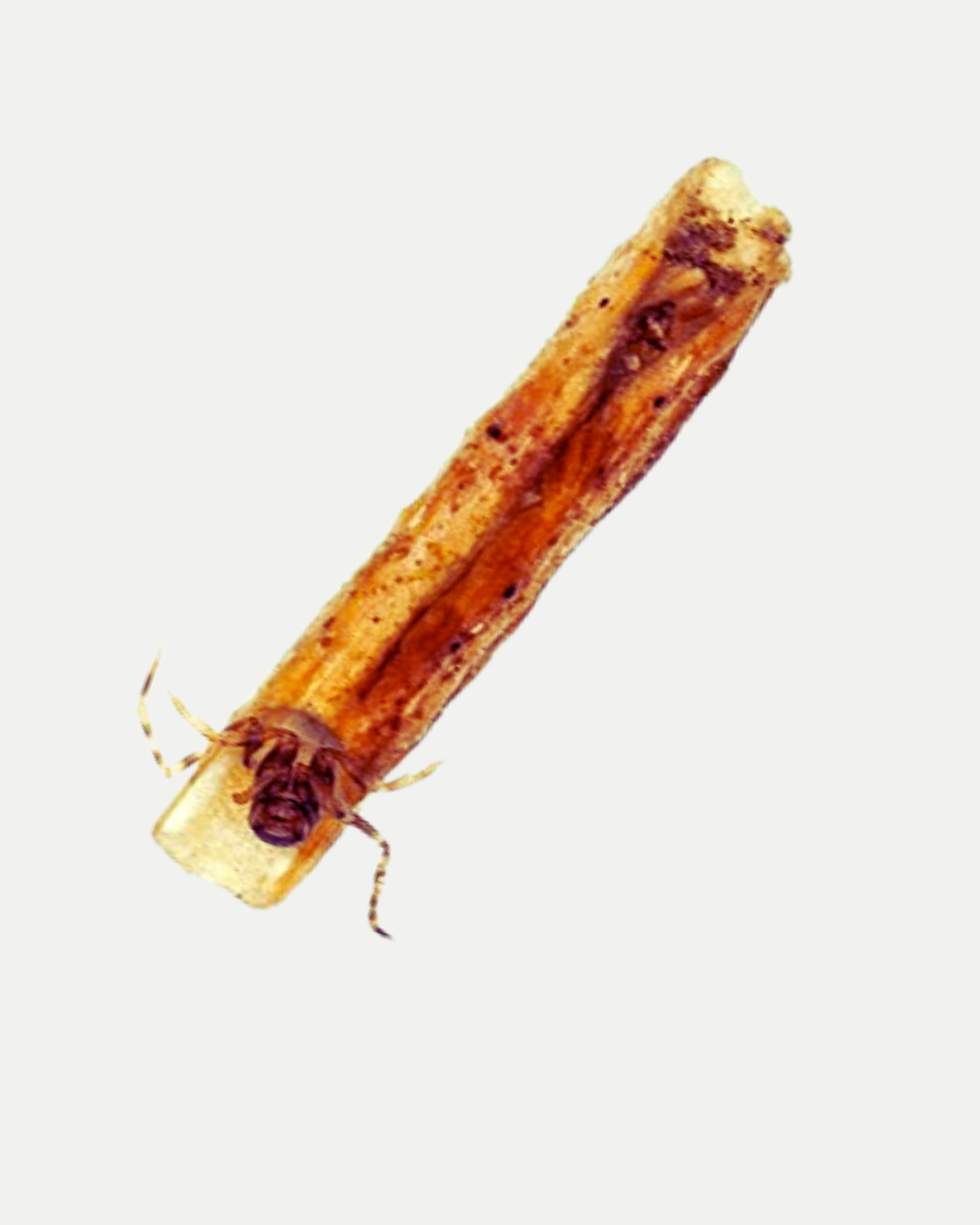
Image by Shane Ruming, DPE
Order: Caddisfly
Family: Leptoceridae
NV4
Wiaora Bridge
See site location on Bellingen Riverwatch & Nambucca Riverwatch Macro Map.
This site at Wiaora bridge, Missabotti in the Nambucca Valley was added to the program in Macro Muster 8.
Spring 2025 sampling recorded a SIGNALT score also in the very healthy range (5.73)and a slight increase in taxa richness (15).
-
The SIGNALT score was recorded as 5.73. This in the very healthy range.
-
The site recorded four known sensitive taxa (EPT taxa 4) from the caddisfly families Leptoceridae and Conoesucidae and the mayfly families Leptophlebiidae and Baetidae. These individuals have SIGNALT grades of 8, 8, 9 and 5 respectively. Results recorded during spring 2025 suggest good water quality has persisted at the site in turn supporting a healthy macroinvertebrate community at the site.
-
4 EPT taxa
2 caddisfly taxa
2 mayfly taxa
2 damselfly taxa
-
Order: Trichoptera, Family: Leptoceridae and Conoesucidae
Order: Ephemeroptera, Family: Leptophlebiidae and Baetidae
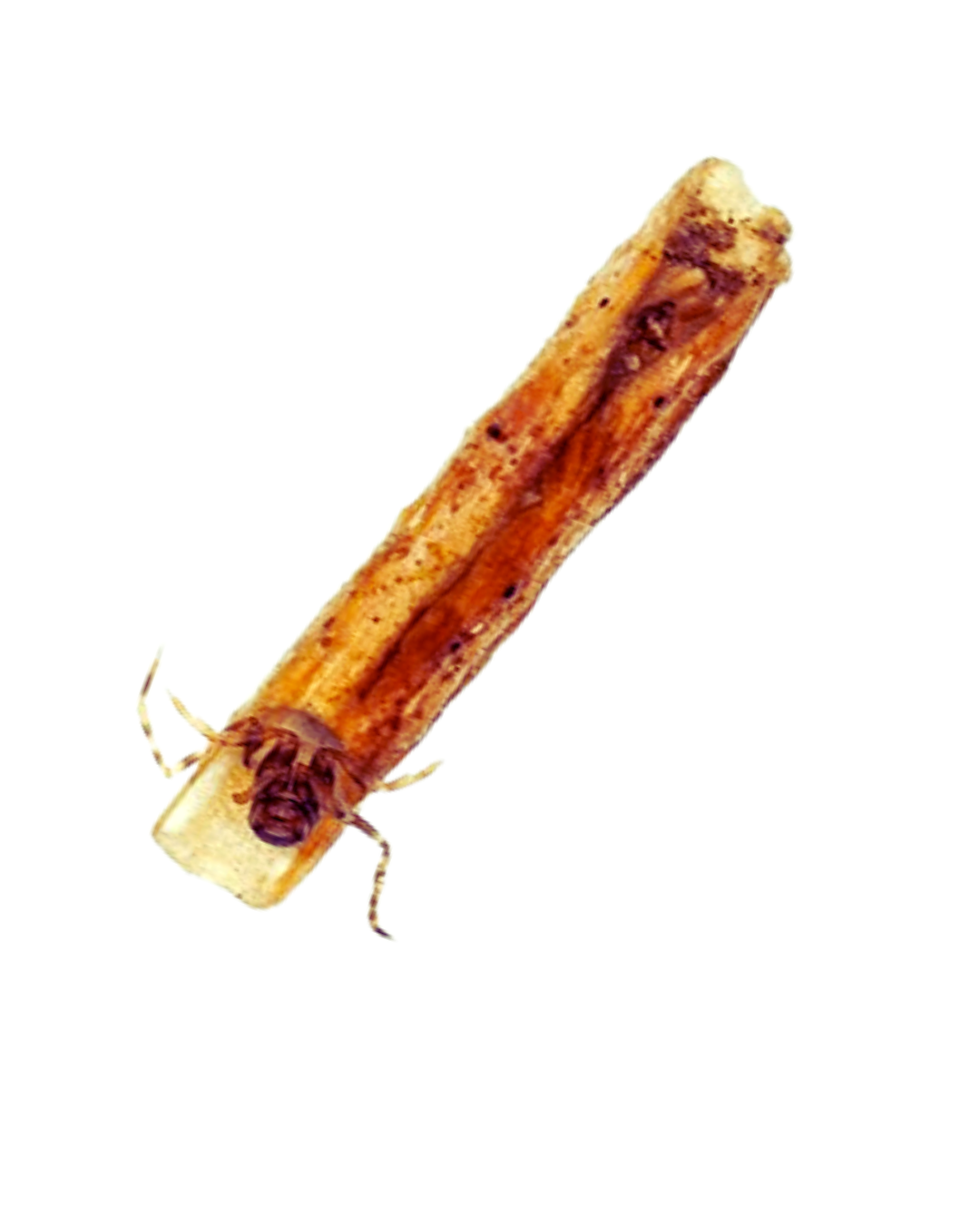
Image by Shane Ruming, DPE
Order: Caddisfly
Family: Leptoceridae
It is everyone’s responsibility to maintain and improve our rivers.
We report on our data to help influence policy and decision making, and educate the community, now and into the future.
Note - Our raw data is shared with with the NSW Government Saving our Species recovery program for the BRST and is additionally available at both the Waterwatch portal and the DPIE SEED portal.
Raw Data
Our raw data can be found at the links below :
Sponsor Us

Power us to continue our important work.
-
Amy Denshire
Co-CEO
amy@ozgreen.org.au
02 5615 8108
Macro Muster 9 Partners



Connect with Us
Trish Reinten
Bellingen Riverwatch Coordinator
trish@ozgreen.org.au